Transportation in the UAE might seem ordinary today. What if we tell you that travel in the UAE used to be very different from what it is now? Roads were few, vehicles were rare and most people depended on natural methods of movement. Looking back at UAE transportation in the past helps us understand how life, work, and culture were shaped by movement.. This story begins long before paved highways and finishes with early signs of modern change from the late twentieth century.
What did people use to move around the desert and sea? How did landscapes shape journeys?
These questions lead to uncovering how old ways of travel grew strong, how they met challenges and how these patterns changed over time.
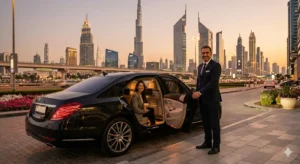
These early shifts laid the groundwork for modern mobility, where structured options like comfort driver services now support daily movement across cities.
How Life Shaped UAE Transportation in the Past
Long before major roads or motor vehicles, people in the region adapted travel to match the land and sea they lived in. The desert stretched wide. Sand and heat were part of daily life. Water was scarce far from the coast. These realities influenced how people moved, planned journeys, carried goods and traded across distances.
The idea of UAE transportation in the past was not about speed. It was about survival, knowledge of the land, and respecting the rhythm of daily life in villages and desert communities.
Old Transportation in UAE Before Modern Development
Camels and desert travel
Camels were more than animals. They were a vital method of travel and transport. People relied on them for movement between oases, for carrying goods, and for long distance travel across shifting sands. Their strength and ability to go days without water made them ideal for the desert environment. Traveling by camel was slow but steady. It was reliable in a land where fast travel could mean danger.
Modern spectrums of development have overshadowed these ancient methods. Still, camels remain a strong symbol of traditional movement and heritage because they shaped much of old transportation in UAE life.
Donkeys and local movement
Closer to home, donkeys and horses played a role in shorter journeys. They helped farmers move produce, carried loads in villages and offered simpler ways to travel before the arrival of modern vehicles.
Sea travel and dhows
Before strong roads, the sea was another major travel route. Traditional wooden boats known as dhows crossed the coastal waters. They connected fishing communities, supported pearl diving and trade, and carried goods across the Gulf region. These boats were guided by knowledge of tides and wind, skills passed down through generations.
Sea travel linked villages along the coast, and trips were often timed with seasons and weather. Coastal communities depended on it not just for travel, but for living.
The Roads That Changed It All
An interesting fact: there were no roads at all. Yes, you read that right. In the early 1970s, roads were very limited and often unpaved. People who tried to travel between Abu Dhabi and Dubai along the coast did more than 200 kilometers over sand tracks. It could take four hours or more and required care to avoid wandering camels along the way. Lighting was scarce and hazards were many.
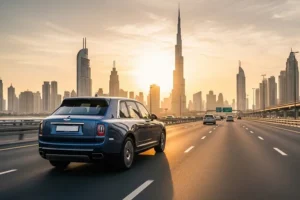
The first major road linking the two cities was finished around 1980. Known as Sheikh Zayed Road in Dubai, the E 11 highway connected towns and allowed vehicles to travel more comfortably and safely. This road marked a clear shift in how people moved, laying the foundation for faster travel and growth across the UAE.
Why Trade and Travel Routes Were Important
Long before highways existed, trade routes across the desert and coastline were lifelines. Goods like dates, pearls and salt traveled between tribes and coastal settlements. These paths were never straight or simple. Travelers needed sharp knowledge of landmarks, water sources and weather.
People learned these routes from parents and neighbours. Journeys built bonds, exchanged stories and helped communities grow stronger. Such movement was an essential part of life long before paved roads and motor engines became common.
How Old Transportation in UAE Evolved After Oil
The discovery of oil changed everything. New resources meant investment in roads, vehicles and transport systems. The shift from animal-based travel and sea sailing to land vehicles was slow at first.
Vehicles began to appear in the late 1960s and 1970s. They were strong and built for desert terrain. Over time, cars, trucks and buses replaced camels and donkeys for everyday travel. Roads improved quickly. This marked the early part of the evolution of transport UAE.
Living and working patterns adjusted. People now travelled further, faster and more frequently. Journeys that took hours or days with camels could now take minutes in a car.
As roads improved and private vehicles became common, transportation in the UAE slowly moved toward organized and professional driving services. Today, this evolution can be seen in licensed options such as chauffeur service in Dubai, comfort driver services, and hire a driver in Dubai, which reflect how structured transport replaced informal travel methods over time.
Key Transport Methods in the Past
| Transport Method | Main Use | Region | Strengths and Limits |
| Camel | Long distance desert travel | Desert areas | Very reliable but slow |
| Dhows | Sea trade and coastal travel | Coastal regions | Carried goods but affected by weather |
| Donkeys | Local village transport | Inland villages | Simple and useful for short trips |
This table looks at how people moved before modern travel. These methods show the diversity and adaptability of travel when technology was limited.
Signs of Modern Change Before Public Transport
What happened between old ways and today’s buses and trains?
Before mass public systems, roads became more widespread. People moved into cities and suburbs. Vehicles became more affordable and common. The UAE started expanding its infrastructure.
These shifts marked early progress in the evolution of transport UAE and set the stage for larger transport networks across the nation.
Did Past Travel Shape Today’s Culture?
Travel was never just about getting from one place to another. It shaped culture. People learned patience, planning and respect for nature during long journeys. Stories from older generations show how travel was a shared experience, not a quick trip for convenience.
Such traditions form a connection between past and present life in the UAE. They remind us that modern transport stands on the shoulders of earlier ways of movement.
How Travel Changed Over Time
| Feature | Old Travel | Early Modern Travel |
| Speed | Slow, cautious | Faster with vehicles |
| Comfort | Basic, natural | More comfort with vehicles |
| Planning | Guided by nature | Guided by infrastructure |
This comparison shows the shift from natural routes to structured travel systems as roads and vehicles became part of everyday life.
Final Thought
Understanding UAE transportation in the past is like reading an old map of life itself. Travel was a lesson in patience and knowing the land. Changes in travel also tell a larger story about how the UAE grew from small desert settlements to a nation with strong highways and new forms of movement.
As history moves forward, remember that every journey has a story. How we traveled before shapes how we move today.